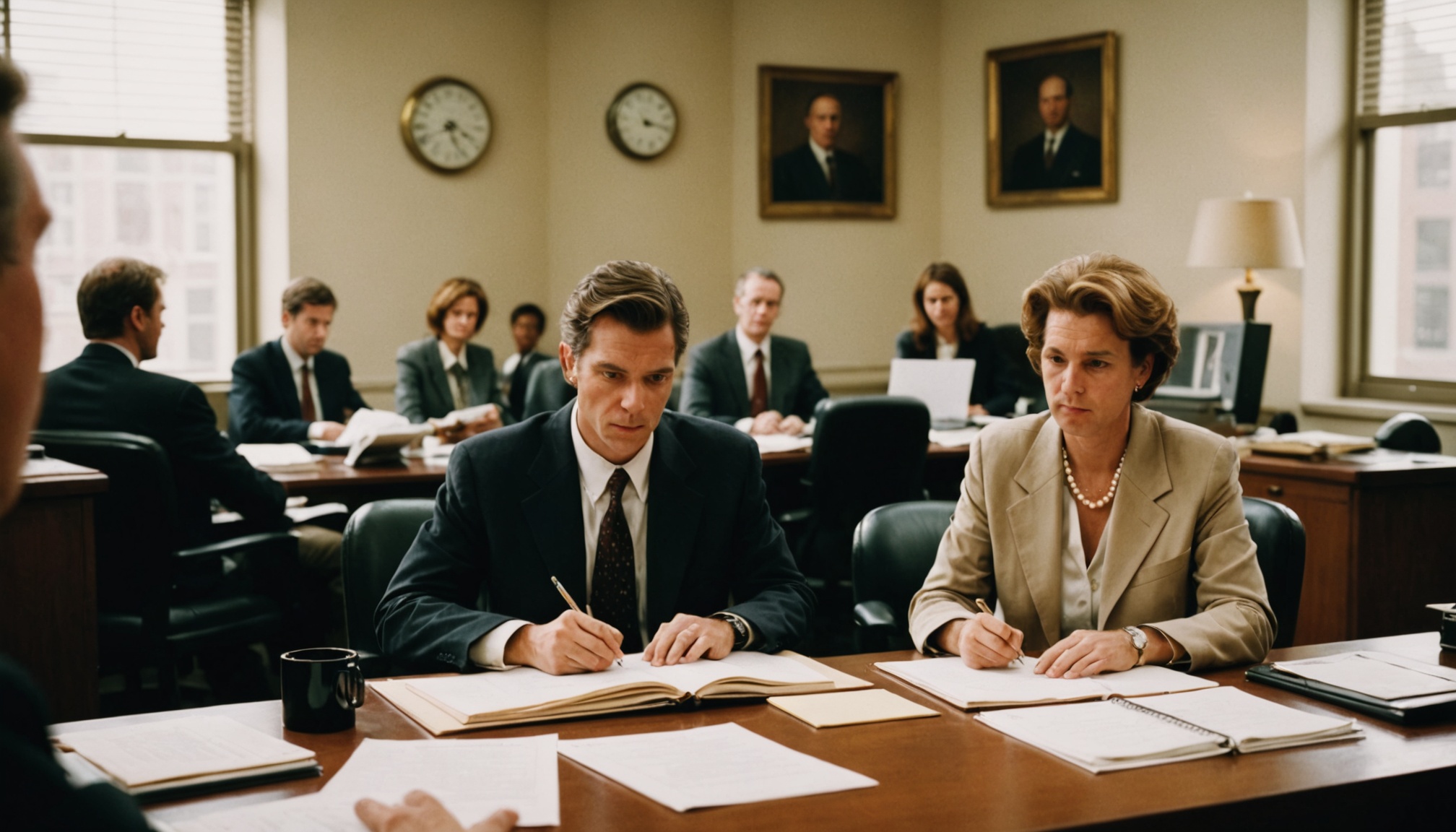
When SEC and FINRA examiners review an RIA's books, meeting documentation is one of the first places they look. Not because they expect advisors to be dishonest, but because the records tell a story about the quality of the advisor-client relationship, whether recommendations were grounded in the client's actual situation, and whether the firm has the controls in place to prove it. For many independent RIAs, the examination experience becomes uncomfortable not because anything improper occurred, but because the paper trail doesn't support what actually happened.
What Examiners Are Actually Looking For
A common misconception is that examiners are hunting for specific violations. In practice, deficiency letters often cite documentation gaps rather than conduct problems. Examiners want to see that advisors followed a consistent process: that they gathered information about the client, considered it before making recommendations, and created a contemporaneous record of both the conversation and the rationale.
The SEC's examination priorities, published annually, have consistently included areas like suitability (or Reg BI best interest), fee practices, and account supervision. Each of those areas depends heavily on what's in the meeting record. If an examiner asks why a particular allocation shift was made in a prior year, the answer needs to exist in the CRM or meeting notes, not just in the advisor's memory.
FINRA Rule 4511 requires that member firms maintain books and records in a format and for a period that complies with Exchange Act Rule 17a-3. The Investment Advisers Act Section 204 and Rule 204-2 impose parallel requirements on RIAs. The specifics vary, but the principle is consistent: if a client meeting involved a recommendation or a material discussion about that client's account, there should be a written record.
What Missing Documentation Looks Like in Practice
Examination deficiencies related to meeting documentation tend to fall into a few patterns:
- No record at all. Some advisors maintain client relationships almost entirely through verbal communication and memory. When questioned about a specific conversation, they can describe it, but there is nothing written. Examiners note this as an absence of required records.
- Records created after the fact. Notes written days or weeks after a meeting are often identifiable by their tone and lack of real-time detail. They can create problems if the content does not align with trade records or other contemporaneous documents. The timing matters.
- Incomplete notes that omit the recommendation rationale. An advisor might document that a meeting occurred and record the topics discussed, but omit why a particular action was or was not taken. That omission is what examiners flag when evaluating Reg BI compliance. The record should show that the recommendation served the client's best interest at that moment.
- Notes that don't capture updated client information. If a client mentions a change in employment, health, or risk appetite during a review meeting, and that information does not make it into the record, the firm appears not to have gathered the updated information that suitability analysis requires.
What Commonly Gets Cited
Deficiency letters from SEC examinations are not always public, but enforcement actions and examination findings that do become available point to consistent themes. Among the most common documentation-related findings:
- Failure to document the basis for recommendations, particularly when moving client assets between products or account types
- No documentation of annual review meetings, or documentation that does not reflect what was actually discussed
- Absence of updated suitability information following life events such as divorce, job change, or the death of a spouse
- Inconsistencies between meeting notes and email communications, when the notes say one thing and subsequent emails reference a different discussion
For firms that have been through an examination cycle, the preparation process itself often reveals documentation weaknesses. Advisors who try to reconstruct client histories before an examiner arrives frequently discover that their records are thinner than they believed.
What a Well-Documented Meeting Record Contains
A defensible meeting record does not need to be lengthy. It needs to be complete and timely. The elements that make a meeting note compliant and useful are:
- Date and participants. Who was present, and when. This sounds basic, but inconsistent date recording is one of the more common issues.
- Updated client information. Any changes to employment, financial situation, health, family status, risk tolerance, or investment objectives should be captured explicitly, not just a note that the client's situation was discussed.
- Topics covered. A brief accounting of what was reviewed: current holdings, performance, upcoming needs, tax considerations, estate planning concerns, and anything else discussed.
- Recommendations made, with rationale. If the advisor recommended anything, a reallocation, a new holding, or staying the course, the note should explain why in terms of the client's specific situation. Generic rationale is less defensible than specific rationale tied to the client's stated goals and circumstances.
- Action items with ownership and due dates. What needs to happen next, who is responsible, and by when. This is what demonstrates that the advisor is actively managing the relationship.
- Client disclosures or acknowledgments. If the client was informed of fees, conflicts, or material risks, that should be documented.
The goal is a record that, read by an examiner two years from now, tells the complete story of what was discussed and why the advice given was appropriate for that client at that time. That standard is achievable. Most compliance failures in this area are not about dishonesty. They are about advisors who did not build the habit of writing things down with enough specificity, and firms that did not build systems to support that habit.